The Role of Emotional Responses in Game Selection
When individuals step into a casino, their emotional state often plays a significant role in their choice of games. High-energy environments filled with flashing lights and sounds can elicit excitement and anticipation, influencing players to gravitate towards games that promise instant gratification. For example, slot machines, with their vibrant visuals and immediate payout potential, tend to attract those seeking an adrenaline rush. In the context of this, many players explore california sports betting apps as they navigate their options.
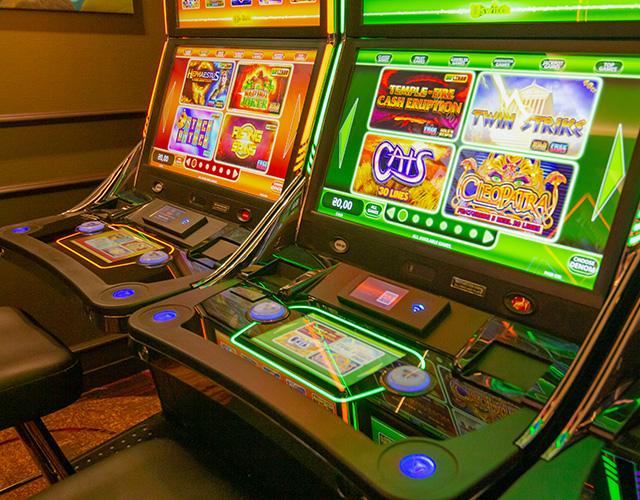
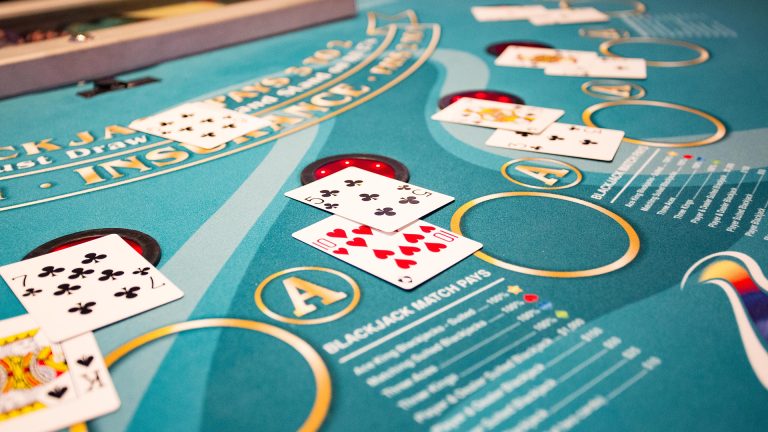
Conversely, some players may choose table games like blackjack or poker, which require skill and strategy. These choices often reflect a desire for intellectual engagement or social interaction. Understanding the interplay between emotions and game selection helps casinos design their gaming environments in ways that maximize player satisfaction and retention.
Cognitive Biases and Gambling Choices
Cognitive biases significantly impact how players perceive risk and reward in their gambling experiences. One such bias is the “gambler’s fallacy,” where individuals believe that past outcomes influence future results. This can lead players to choose games they believe are “due” for a win, despite the randomness of outcomes in games like roulette or slot machines.
Another relevant bias is the “illusion of control,” where players feel they have influence over the outcome of games that are purely chance-based. This belief can drive them toward games like blackjack, where they perceive that their strategies can alter results. Such psychological factors not only affect individual game choices but also influence overall gambling behavior and spending patterns.
The Influence of Social Interaction on Game Preference
The social environment within a casino can heavily influence game selection. Players often gravitate towards games that allow for interaction with others, such as poker or craps, which foster a sense of community. Participating in these games can enhance the thrill of gambling, as the social dynamics contribute to the overall experience.
Additionally, peer pressure can also play a role in game choice. People may feel inclined to join friends at a certain table or machine, even if it is not their preferred game, due to the desire to share the experience. This social aspect underscores the importance of group dynamics in gambling settings and how they affect individual choices.
The Seduction of Game Design and Marketing
The design and marketing strategies employed by casinos are tailored to tap into the psychological preferences of players. Game developers meticulously create visuals, sound effects, and themes that resonate with specific demographics, ultimately enhancing the allure of certain games. For instance, progressive jackpot slots are designed to appeal to those motivated by hefty payouts, featuring enticing graphics that highlight potential winnings.
Moreover, promotional tactics such as loyalty programs and bonuses create a sense of urgency and exclusivity, further influencing player choices. Understanding how these marketing elements interplay with psychology allows casinos to effectively attract and retain players, driving overall business growth.
Ensuring a Secure and Engaging Online Experience
In the realm of online gambling, the psychology behind game choices is equally vital. Players seek not only entertainment but also security in their gaming environments. This website prioritizes user safety with advanced security measures, ensuring that players enjoy their experiences without fear of compromise.
Additionally, by understanding how psychological factors influence game selection, the website can present a tailored experience that resonates with users’ preferences. Whether it’s through personalized game recommendations or engaging content, the focus remains on providing a secure and enjoyable online gambling atmosphere for all players.